


 Eric Perner, Founder, REP Provisions
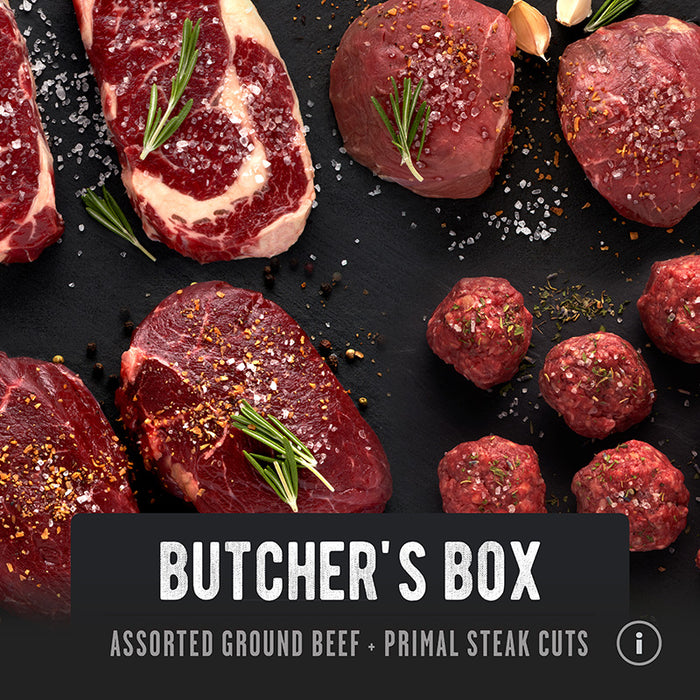
The Butcher's Box
$290.95
Five pounds of ground beef, filets and primal cuts. The mix our butcher would pick.
Shop now
Every farm in our beef program is Audubon Certified Bird Friendly.
The short answer
Audubon Certified Bird Friendly is a certification from the National Audubon Society for ranches that manage their land as habitat for birds. To carry the seal, a ranch follows a habitat plan written for its own ground and grazes cattle on open grassland with no feedlots. It uses no hormones, antibiotics or pesticides and protects its streams. An independent third party audits all of it.
What it means for you
What it means for the land

From the National Audubon Society
Audubon works with ranchers because it's the last grassland bird habitat still intact across the American prairie.
The bird count
Audubon's Conservation Ranching manager for Kansas and Oklahoma spent a morning on our ranch. He filled the page in under two hours.
“The most bird species I've seen on any ranch that I've visited.”
Jacob Yetter, Conservation Ranching manager, National Audubon Society
The field ledger
Forty-three species recorded. Sort by habitat.
Names follow the American Ornithological Society checklist. Near Threatened status is from the IUCN Red List.
Near Threatened, and on our ground
All three are grassland birds in decline across their range. The bobwhite and meadowlark nest on the ground here; the Bobolink stops over on its way north. They need tall native grass left standing and insects to eat. Sprayed, overgrazed pasture has neither.
Estimated mature individuals and population trend as listed on the IUCN Red List.
Why birds
Grassland birds have fallen further than the birds of any other habitat on the continent. Most of the prairie they nest in has been plowed under or sprayed, and the insects they feed their young went with it.
That's why a bird count is such an honest test of a ranch. If the grass and the insects are healthy, the birds show up. A healthy bird population is one of the best signs of a healthy farm.
of North America's grassland birds, gone in one lifetime.
Audubon scientists survey birds on certified ranches and score each one on a Bird-Friendliness Index, a measure of the birds certified land supports compared with conventional land next door. Between 2016 and 2023, the index on certified land rose 76%, more than 8% a year.
Two different measures, shown side by side, not on one scale. Sources: Rosenberg et al., Decline of the North American avifauna, Science, 2019. National Audubon Society, Growing Bird-Friendly Grasslands, 2026.
From the grass to your plate
Insecticide kills the insects birds feed on. Herbicide kills the native bunch grass they nest in. We'll take a few thistles and grasshoppers over a pasture soaked in chemicals any day, because that grass is what our cattle eat too.
What the land grows
01 · Soil
Roots, fungi and dung beetles, kept alive by grazing and rest instead of tillage and spray.
02 · Grass
Big bluestem, switchgrass, milkweed and wildflowers, dozens of plants in one pasture.
03 · Insects
The protein every baby chick is raised on.
04 · Birds
Meadowlarks in the grass, bluebirds on the fence, hawks overhead.
What that means for you
01 · Soil
No feedlot. The cattle spend their whole lives on this land.
02 · Grass
Cattle graze a mix of grasses and forbs, then move so the pasture can recover.
03 · Cattle
Pasture and forage for life, finished on grass. What they eat at the end is what sets the fat in the meat.
04 · Your beef
Conventional grain-fed beef runs about 15:1. See the lab results
What the seal requires
Audubon's standards cover four things: habitat management, forage and feeding, animal welfare, and environmental sustainability. Here is what they mean in practice, plus the two places we go further.

Standards summarized from the National Audubon Society's Conservation Ranching FAQ. "Conventional" describes what federal (USDA and FDA) rules allow for commodity beef, not what every farm does. Audits are conducted by Food Alliance.
What it looks like on the ground
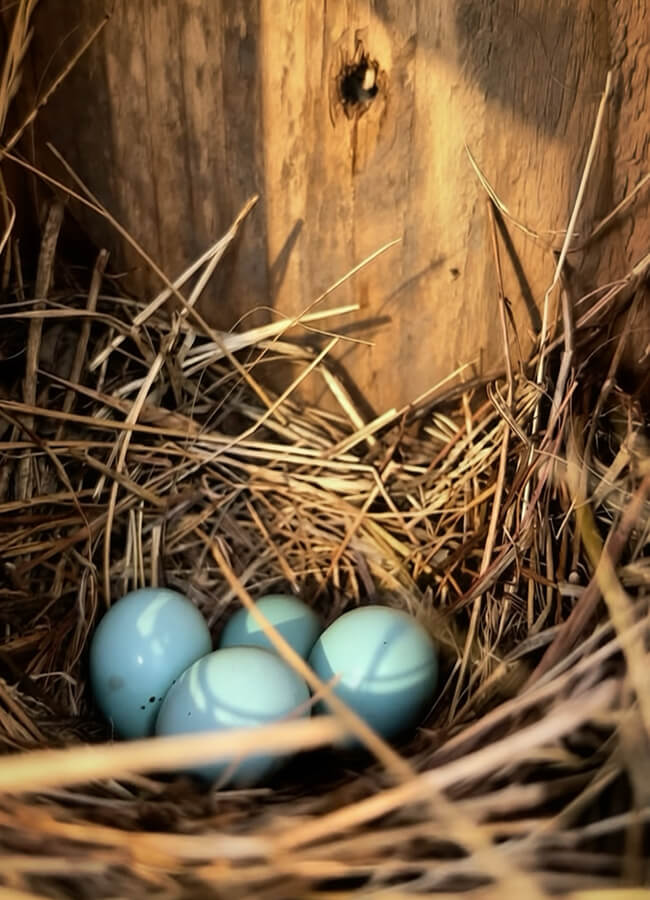

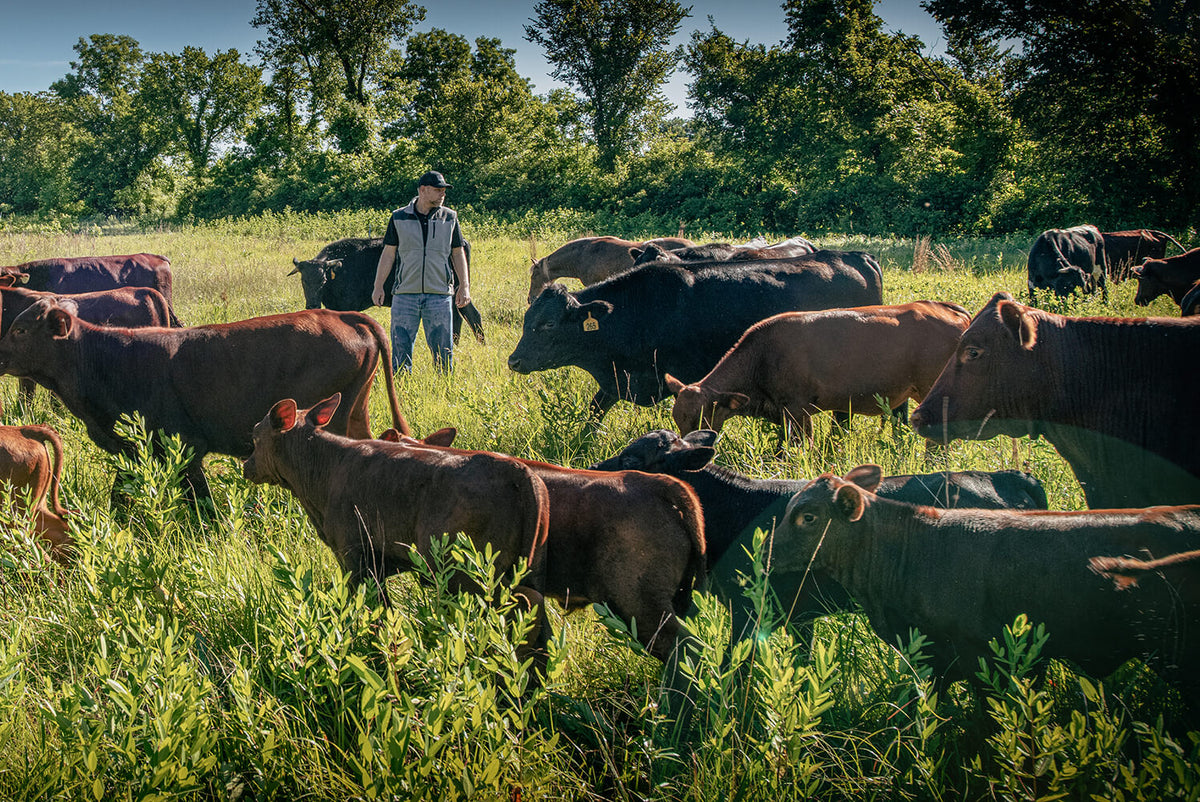
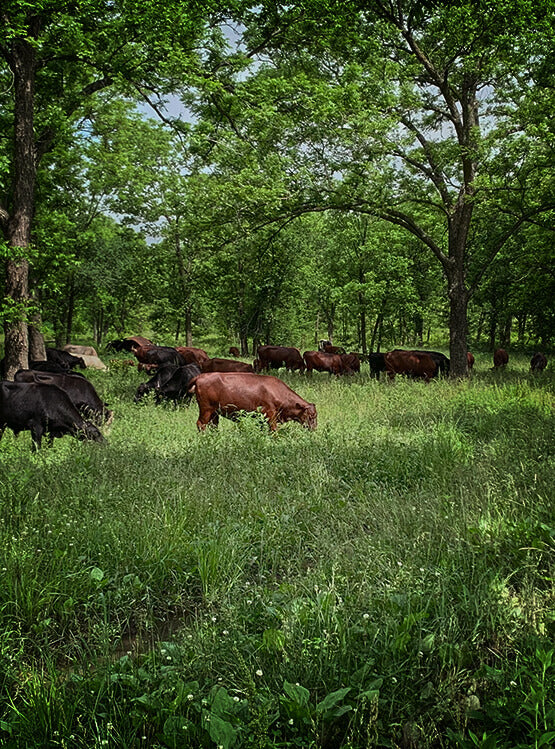
Where the birds live · American land
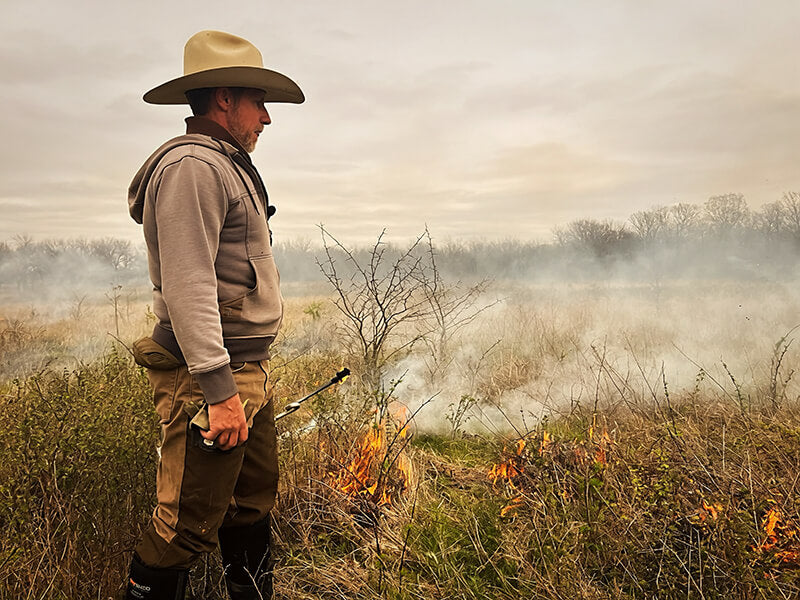
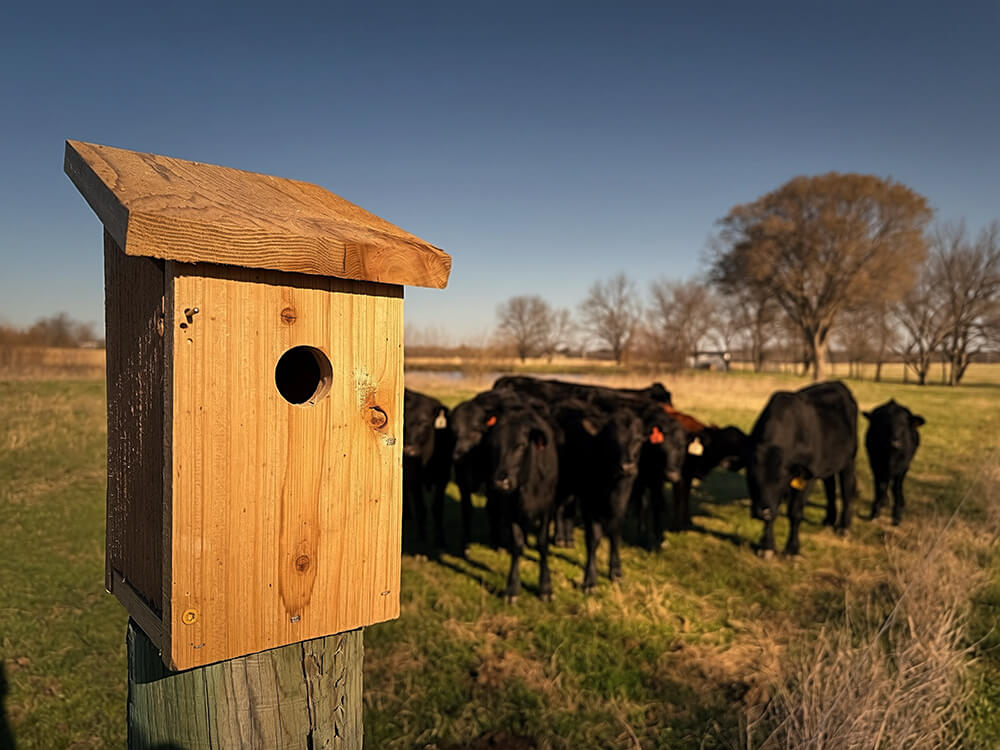
Our ranch sits in the Cross Timbers ecoregion, the belt of oaks where the tallgrass prairie, oak savanna and woodlands converge. That's how one morning's count turned up a meadowlark in the grass, an oriole in the oaks and a Barred Owl in the woods.
It's all American ground. Every farm in our program is a working American farm or ranch, and nothing we sell is imported. Ever.
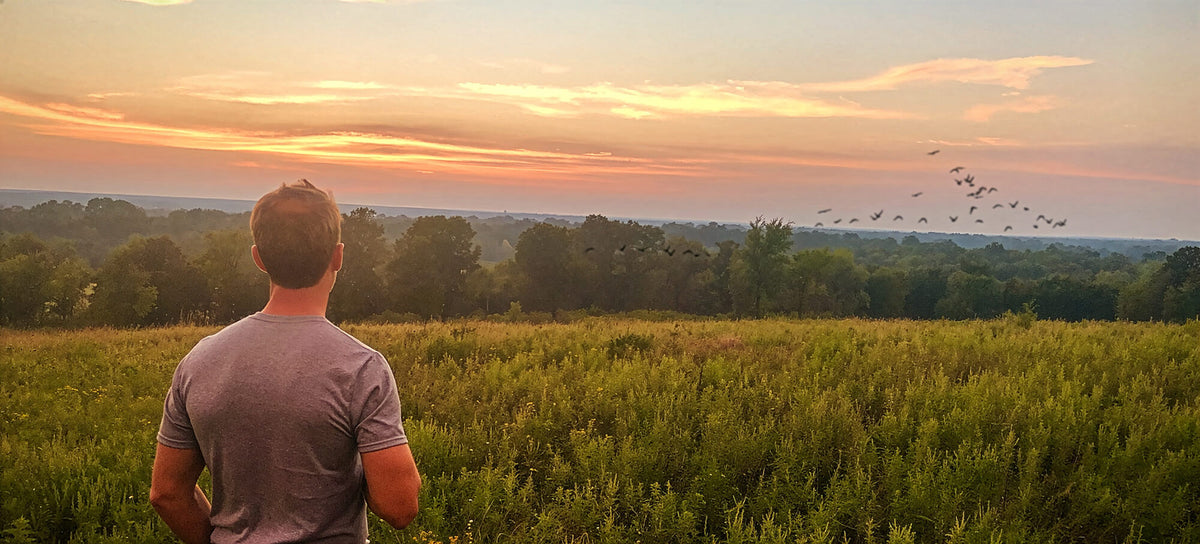
“Birds and beef are connected on the ground.”
Prairie birds are a passion of ours. The best part is, improving their populations doesn't amount to a choice between economics and environmental stewardship. Birds and beef are connected on the ground, fitting right in with our regenerative grazing methods.
Eric Perner, Founder, REP Provisions
Put it on the table
Your order pays for ranching that keeps native bird habitat standing. Same grass, same lab results.
$290.95
Five pounds of ground beef, filets and primal cuts. The mix our butcher would pick.
Shop now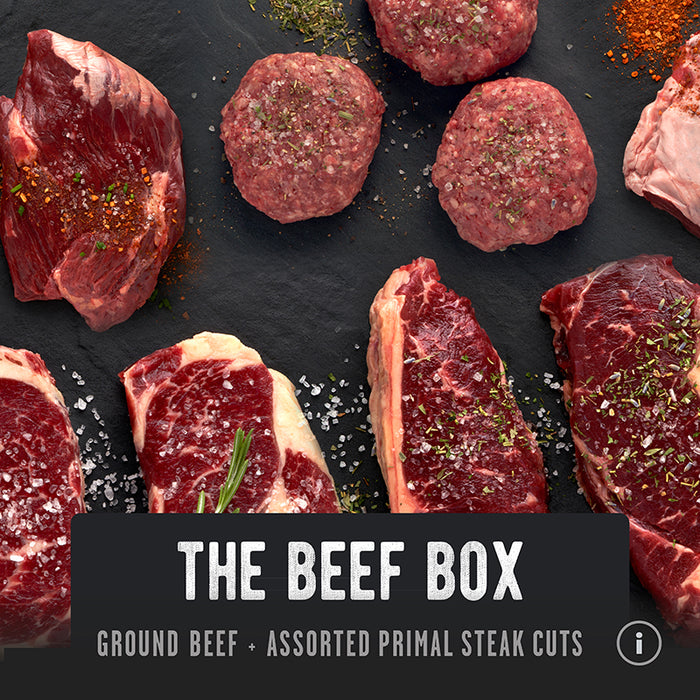
$243.77
Ground beef, ribeyes, NY strips and flank. A good first look at the whole animal.
Shop now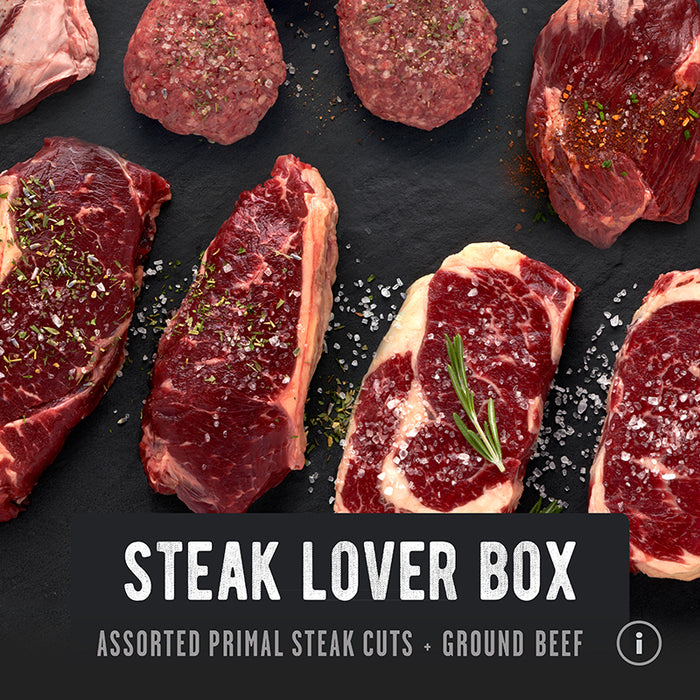
$238.95
Ribeyes and strips with ground beef for the weeknights in between.
Shop now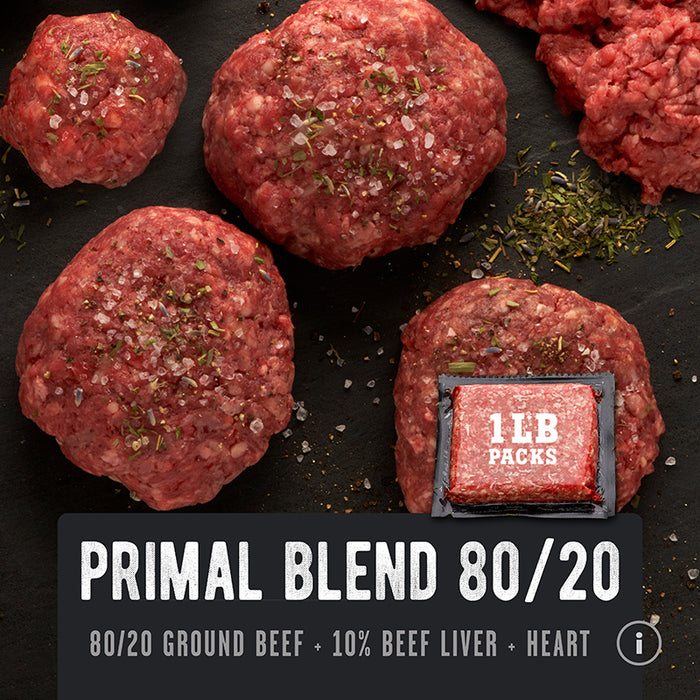
From $79.75
Our bestselling grind: 80/20 with 10% liver and heart ground in.
Shop nowQuestions people ask
It is a certification from the National Audubon Society's Conservation Ranching program for farms and ranches that manage their grazing land as habitat for birds. A certified ranch follows a habitat management plan written for its own land and grazes livestock on open grassland with no feedlots. It uses no hormones and sells no animal that has had antibiotics. It restricts pesticides, bans neonicotinoids, protects waterways, and is audited by an independent third party.
Every farm and ranch in the REP Provisions beef program is Audubon Certified Bird Friendly. Our home ranch in Mounds, Oklahoma, was certified in February 2021.
Audubon requires cattle to graze freely on open grassland and bans feedlots. It keeps grain supplementation to a minimum rather than banning it outright. REP beef goes further: our cattle eat pasture and forage for life and are finished on grass, never in a feedlot.
The seal rules out the things many people are trying to avoid: feedlots, growth hormones, antibiotics and animal byproducts in feed. We test the nutrition separately. In independent Edacious lab testing, REP beef measured about 2 parts omega-6 to 1 part omega-3, where conventional grain-fed beef runs about 15 to 1. The full results are published on our lab results page.
In 2026 Jacob Yetter, Conservation Ranching manager for the National Audubon Society in Kansas and Oklahoma, counted more than 45 bird species on our ranch in under two hours. He called it the most bird species he had seen on any ranch he had visited. Three of them, the Northern Bobwhite, Eastern Meadowlark and Bobolink, are listed as Near Threatened on the IUCN Red List.
North America lost 53 percent of its grassland birds between 1970 and 2017, a steeper loss than the birds of any other breeding habitat (Rosenberg et al., Science, 2019). The main causes are native grassland being plowed or developed, and insecticides and herbicides that remove the insects birds eat and the native grass they nest in. On Audubon Certified land, Audubon's Bird-Friendliness Index rose 76 percent between 2016 and 2023.
Our ranch is in Mounds, Oklahoma, in the Cross Timbers ecoregion, where tallgrass prairie, oak savanna and woodland meet. Orders ship from our warehouse in Bixby, Oklahoma. Every farm in our program is American, and nothing we sell is imported.
Ranches are audited against the Audubon Conservation Ranching standards by an independent third party, Food Alliance. The standards are published by the National Audubon Society.
Page reviewed September 2026 by the REP Provisions team, Bixby, Oklahoma.
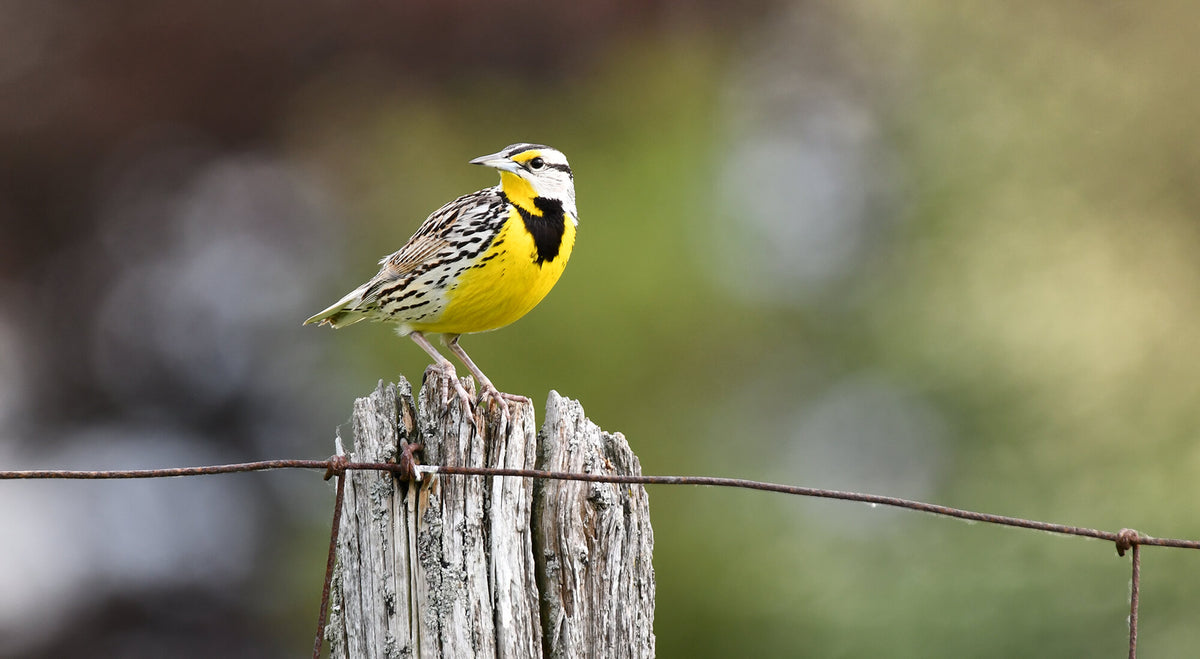
Birds only stay where the grass, the insects and the water are healthy. Forty-five species stayed on ours. Your beef comes from the same ground.