

Feeding babies beef is becoming more common in the U.S. Parents are moving beyond traditional options like rice cereal and fruits, focusing on nutrient-rich foods to support their child’s rapid growth and development. Beef stands out due to its high-quality protein, easily absorbed iron, and essential nutrients like zinc, choline, and vitamins B12 and B6 - all critical for brain and body development.
Key reasons for this shift include:
- Nutritional value: Beef provides heme iron, which is absorbed more efficiently than iron from plants or fortified cereals.
- Preventing iron deficiency: Iron stores in babies deplete by six months, and beef helps address this gap.
- Versatility: Beef can be prepared to suit different developmental stages, from purees to finger foods.
- Food sourcing awareness: Many parents now prefer beef from farms practicing regenerative agriculture and high animal welfare standards.
Studies show that beef-fed infants develop healthier gut microbiomes and may experience better cognitive and physical growth compared to diets relying on fortified grains. Introducing beef safely involves starting at six months with small portions, ensuring proper cooking, and avoiding processed meats.
For eco-conscious families, choosing pasture-raised, regenerative beef supports both their baby's health and environmentally friendly farming practices.
How to Make Beef Baby Food
Key Nutrients in Beef for Baby Development
Beef is packed with 10 essential nutrients crucial for a baby’s first 1,000 days of life. These nutrients play a vital role in brain development and overall growth. Let’s explore how beef supports infant development.
By the time babies reach six months, their natural iron stores from birth are nearly depleted, and breast milk alone can no longer meet all their nutritional needs. This is where nutrient-rich complementary foods like beef become a key part of a healthy diet.
Complete Protein for Growth
Beef is an excellent source of complete protein, providing all the amino acids necessary for muscle and tissue development. A 3-ounce serving delivers 25 grams of complete protein with only 170 calories. To achieve the same protein intake from plant-based sources, significantly larger portions would be required.
"Beef's nutrient profile makes it uniquely effective as a complementary food for infants." - Keith Ayoob, Edd, RD, FAND
This high-quality protein supports the rapid growth babies experience in their early months.
Heme Iron Content
Iron deficiency is a common issue, affecting over 75% of exclusively breastfed infants aged 6–12 months. Beef provides a solution with its heme iron, a form that the body absorbs almost six times more efficiently than non-heme iron found in plant foods and fortified cereals.
Compared to other animal proteins like eggs, chicken, or ham, beef contains up to twice the amount of iron. This makes it an effective choice for preventing iron deficiency anemia, which can impact brain development and immune health.
Interestingly, beef’s natural heme iron also supports gut health. Research shows that babies fed meat with heme iron develop a more diverse and beneficial gut microbiome compared to those fed iron-fortified cereals, which can reduce the abundance of healthful gut bacteria.
Key Micronutrients
Beyond iron and protein, beef provides other essential micronutrients like zinc, choline, and Vitamins B12 and B6, all of which are critical for brain development and immune function.
- Zinc: Enhances communication between brain neurons and supports cognitive growth.
- Choline: Plays a vital role in brain development, memory formation, and maintaining a steady heart rhythm.
- Vitamin B12 and B6: Work together to support nervous system development and healthy blood cell formation.
Studies link higher intake of beef, zinc, and choline between 6–12 months to improved attention and inhibitory control in children aged 3–5 years. Despite these benefits, fewer than 10% of infants consume beef during their first year.
How to Safely Introduce Beef to Babies
Introducing beef into your baby's diet is an exciting step, but it requires thoughtful timing and preparation to ensure it's both safe and nutritious. Transitioning from milk to solid foods is a major milestone, and beef can play a key role in providing essential nutrients like iron and protein.
When and How Much to Start
According to the American Academy of Pediatrics, solid foods - including beef - can be introduced around 6 months of age, provided your baby shows signs of readiness. These signs include sitting up with minimal support, showing interest in food, and losing the tongue-thrust reflex that pushes food out of their mouth.
Start small. Offer 1–2 tablespoons of pureed beef mixed with breast milk, formula, or water to create a smooth texture. As your baby gets used to the flavor and texture, you can gradually increase the amount to 2–3 tablespoons per serving. By the time they reach 8–9 months, many babies can handle 1–2 ounces of soft, well-cooked beef pieces.
Ground beef is an excellent choice for first introductions. It cooks evenly and can be easily mashed or pureed. Opt for 85% lean ground beef - it has enough fat to support brain development without being overly greasy, which could upset your baby's stomach.
Once you've determined portion sizes, focus on proper cooking techniques to ensure the beef is safe and easy to digest.
Cooking and Preparation Methods
Cooking beef thoroughly is crucial for both safety and digestibility. Ground beef should be cooked to an internal temperature of 160°F, while whole cuts of beef should reach 145°F and rest for 3 minutes. Always use a meat thermometer to confirm doneness.
For the best texture, consider these preparation methods:
- Slow cooking: Add a splash of water or low-sodium broth and cook beef on low for 6–8 hours until it's fork-tender. This method breaks down tough fibers, making the meat soft enough for babies.
- Stovetop simmering: Cook ground beef in a covered pan with a small amount of water for 15–20 minutes, stirring occasionally. The steam keeps the meat moist and tender. After cooking, puree or mash it with additional liquid as needed.
- Braising: Ideal for tougher cuts like chuck roast, braising involves browning the meat briefly, then cooking it in liquid at 325°F for 2–3 hours until it’s incredibly soft. This method creates a texture that's easy for babies to handle.
No matter the method, always adjust the texture to suit your baby's developmental stage, ensuring it's soft and easy to chew.
What to Avoid and Choking Prevention
Not all beef products are suitable for babies. Avoid deli meats, hot dogs, and sausages - these are high in sodium and preservatives and can pose choking hazards due to their texture and shape. Similarly, raw or undercooked beef is off-limits, as it can carry harmful bacteria like E. coli or Salmonella, which a baby's immune system can't handle.
To minimize choking risks, cut beef into pieces no larger than ¼ inch and ensure it mashes easily when pressed. Babies typically develop better chewing skills between 12–15 months, but until then, always supervise meals closely.
Avoid adding salt, sugar, or strong spices during the first year. Babies' kidneys can't process excess sodium, and introducing bold flavors too early may interfere with their natural taste development. Simple preparation allows them to enjoy beef's natural flavor.
Tough cuts like steak or roast can also be choking hazards. Test the texture by pressing the cooked beef between your thumb and forefinger - it should mash easily before serving.
Finally, store prepared beef safely. Refrigerate leftovers for up to 3 days or freeze them for up to 3 months. When reheating, ensure the internal temperature reaches 165°F to kill any bacteria that may have developed during storage.
Research on Beef for Infant Health
Studies highlight how beef contributes to infant growth and development, making it a solid choice for early nutrition. These findings not only emphasize beef's nutritional value but also tie into the sustainable and regenerative practices discussed earlier. The research builds on prior knowledge about infant nutrition and underscores beef's importance in supporting development.
Brain and Physical Development
Research delves deeper into how beef supports brain and muscle development in infants. The nutrients in beef, which are readily absorbed by the body, play a key role in both neural and physical growth. Its complete amino acid profile provides essential building blocks for tissue development, while nutrients like heme iron and other micronutrients may aid in healthy brain function and muscle formation.
Beef vs. Other Protein Sources
One of beef's standout features is its heme iron, which the body absorbs more efficiently compared to the non-heme iron found in plant-based foods and cereals. Additionally, beef is highly digestible and has a lower risk of causing allergies, offering clear advantages over some other common first foods for infants.
Iron Deficiency Prevention
Infants require significant amounts of iron, and beef's heme iron is particularly effective in meeting these needs. Introducing beef early in an infant's diet may help maintain healthy iron levels, especially during the transition from milk-based feeding to solid foods.
sbb-itb-7ca66e3
Choosing Regenerative, Pasture-Raised Beef
When picking beef for your baby, it’s not just about the nutritional punch - it’s also about where that beef comes from. The source matters as much as the nutrients, especially when introducing this important protein into your little one’s diet. That’s why understanding regenerative practices and pasture-raised beef is so important.
What Do Regenerative and Pasture-Raised Mean?
Regenerative farming takes things a step further than traditional sustainable agriculture. It’s about actively improving the land, not just maintaining it. This approach rebuilds soil health, boosts biodiversity, and even pulls carbon out of the atmosphere. One key practice is rotational grazing, where cattle are moved between pastures to give grasslands the time they need to naturally recover.
On the other hand, pasture-raised beef comes from cattle that live and graze in open fields instead of being confined to feedlots. These animals eat a natural diet of grass and plants while enjoying fresh air, sunlight, and plenty of space to roam. Companies like REP Provisions adhere to these principles, ensuring their beef meets high standards.
REP Provisions: Setting the Bar for Regenerative Beef
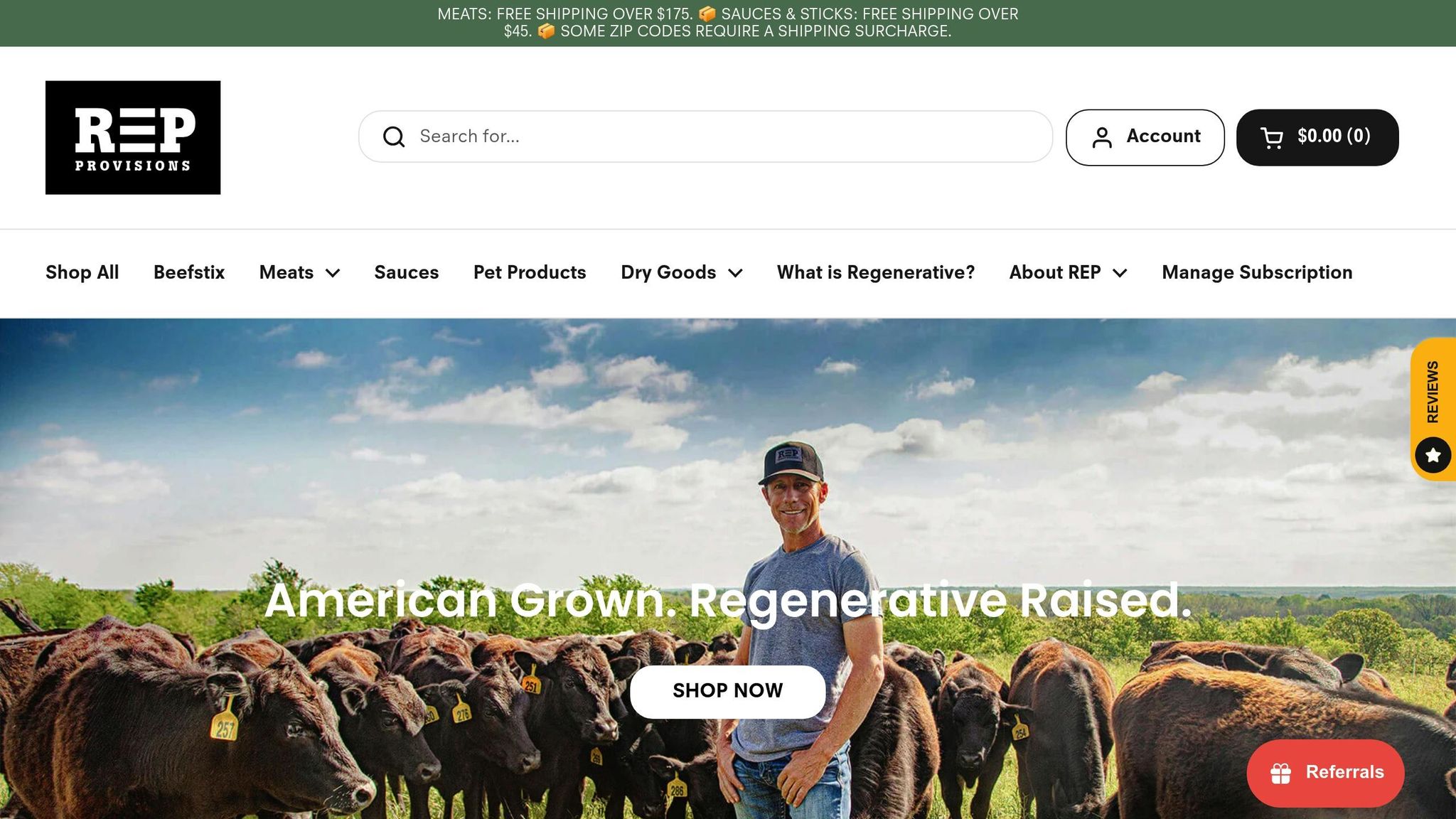
REP Provisions is a standout when it comes to regenerative beef. Their strict verification process ensures partner farms are committed to improving soil health, increasing biodiversity, and capturing carbon through carefully managed grazing practices.
Their beef is not only regenerative but also USDA-approved, offering a variety of cuts perfect for different recipes. Plus, they make it easy by delivering directly to your door.
Why It Matters: Health and Environmental Benefits
Beef from pasture-raised cattle often stands out for its clean and natural profile. These cattle are raised in low-stress environments, which many believe contributes to better overall quality.
But the benefits go beyond the plate. Regenerative grazing practices help the environment by improving soil health, retaining water, reducing erosion, and encouraging biodiversity. For eco-conscious parents, choosing regenerative beef is a way to support farming methods that lower carbon footprints and contribute to a healthier planet.
Practical Tips for U.S. Parents
Adding beef to your baby's diet can be safe and nutritious when you make thoughtful choices about selection, storage, and preparation.
How to Pick Quality Beef
Navigating beef labels can feel overwhelming, but focusing on a few key terms can make it easier. Look for labels like 100% grass-fed and grass-finished. For even higher standards, check for regenerative labels, which emphasize sustainable farming practices.
When it comes to ground beef for babies, aim for 80/20 or 90/10 lean-to-fat ratios. These options deliver good nutrition without too much fat. For example, REP Provisions offers regenerative ground beef blends, including an 80/20 and a 90/10 option, with the latter being especially suitable for infant meals.
Visually inspect the beef before purchasing. Choose cuts that are bright red with minimal liquid. Avoid meat that looks brown or slimy. If you're buying frozen beef, make sure the packaging is solid and free from ice crystals, which can indicate thawing and refreezing.
Once you've chosen quality beef, proper storage and reheating are essential to maintain safety and nutrition.
Storage and Reheating Safety
Storing beef correctly is crucial for keeping it safe for your baby. Fresh ground beef can be refrigerated for 1-2 days at 40°F or lower, while whole cuts like roasts stay fresh for 3-5 days. Always store beef on the bottom shelf to prevent juices from dripping onto other foods.
For longer storage, freezing is your best option. Ground beef can last 3-4 months in the freezer, while steaks and roasts can stay good for 6-12 months if wrapped securely. Use freezer paper or vacuum-sealed bags to keep out freezer burn.
When thawing, plan ahead by moving the frozen beef to the refrigerator about 24 hours before cooking. Avoid thawing at room temperature, as this can encourage bacterial growth. For a quicker method, submerge the sealed beef in cold water, changing the water every 30 minutes.
Cooking temperatures are just as important. Ground beef should reach an internal temperature of 160°F, while whole cuts should reach 145°F with a 3-minute rest. For babies, cook beef until it's well-done and easy to mash or shred. Use a meat thermometer to ensure accuracy.
Leftover beef can be stored in the refrigerator for 3-4 days. When reheating for your baby, heat the meat to 165°F and allow it to cool to a safe eating temperature. Only reheat the portion you plan to serve immediately, as repeated reheating can increase the risk of bacteria.
With these safety steps in mind, you’re ready to introduce beef into your baby’s meals.
Adding Beef to American Baby Diets
Beef pairs beautifully with many first foods commonly offered to babies in the U.S. Start by mixing finely shredded beef with familiar options like sweet potato puree or mashed avocado. The natural sweetness of these foods can help your baby adjust to the new flavor.
For a nutrient-packed meal, combine ground beef with butternut squash or carrots. Steam the vegetables until soft, then mix them with well-cooked, crumbled beef. The mild flavors of these vegetables blend well with beef, making them a great introduction.
Different feeding styles can also easily incorporate beef. Families practicing baby-led weaning can offer soft, well-cooked strips of beef that are easy for babies to hold and gum. For those using purees, blend cooked beef with breast milk, formula, or vegetable cooking water to achieve a smooth texture.
Consider your family's food traditions when introducing beef. If your meals often feature Mexican-inspired flavors, try mixing beef with mild black beans and mashed sweet potato. For an Italian twist, pair beef with well-cooked zucchini and a drizzle of olive oil.
Using high-quality, regenerative beef not only supports your baby’s nutrition but also promotes sustainable food choices. REP Provisions offers variety packs, like their Butcher’s Box for $212.00, which includes different cuts of regenerative beef. This allows you to explore various textures and cooking methods as your baby grows.
Start small by mixing 1-2 teaspoons of beef into familiar foods, gradually increasing to 1-2 tablespoons as your baby gets used to it. Keep an eye out for any signs of allergic reactions, though beef allergies are rare. Most babies can enjoy beef 2-3 times per week as part of a balanced diet that includes fruits, vegetables, and grains.
Conclusion: Beef as a Smart Choice for Baby Nutrition
Introducing beef into your baby's diet is a step toward supporting their long-term health. Packed with complete protein, heme iron, and essential micronutrients, beef provides the building blocks for rapid brain and physical development during those critical early years.
Opting for regenerative, pasture-raised beef brings even more to the table. Research shows it can deliver up to 85% more phytonutrients, including higher levels of omega-3 fatty acids, antioxidants, and vital vitamins. This nutrient boost doesn't just benefit your baby - it also aligns with sustainable agricultural practices.
"What we have found through the work of Dr. Stephan van Vliet and his team of researchers is that livestock raised in a regenerative environment have a far higher ratio of phytonutrients in the meat, milk, etc." - Dr. Allen Williams, Founding Partner, Understanding Ag
Regenerative farming practices improve soil health, reduce carbon emissions, and actively restore the environment. By choosing beef raised this way, you're not only nourishing your baby but also contributing to a healthier planet.
Beef is also a practical choice for your feeding routine. Whether you're using purees or trying baby-led weaning, beef can be easily incorporated. Start small - 1-2 teaspoons mixed into familiar foods - and gradually increase to 1-2 tablespoons served 2-3 times per week. This gradual approach ensures your baby gets the nutrition they need while adjusting to new textures and flavors.
For parents, verified regenerative beef options make it easier to access high-quality, nutrient-rich meat. This choice supports your baby's growth and development while promoting sustainable farming practices. With its nutritional value, environmental benefits, and ease of preparation, beef stands out as an excellent option for both your baby's health and the planet's well-being.
FAQs
Why is beef becoming a popular choice for babies' first foods instead of options like rice cereal or fruits?
Introducing beef as one of your baby's first foods can provide incredible nutritional advantages over traditional choices like rice cereal or fruits. Beef is loaded with high-quality protein, heme iron, zinc, and choline - key nutrients essential for brain development, a strong immune system, and healthy growth during those crucial early years. Plus, these nutrients are more readily absorbed by the body compared to those found in plant-based foods.
Rice cereal, on the other hand, may contain arsenic and offers less absorbable iron, making it a less nutrient-rich option. Beef not only delivers a powerhouse of nutrition but also introduces your baby to new flavors and textures, helping to build a foundation for diverse and healthy eating habits right from the start.
How can parents find high-quality beef from regenerative and pasture-raised farms for their baby?
When selecting beef for your baby, it’s important to choose options from farms that focus on regenerative and pasture-raised practices. Look for labels such as grass-fed, grass-finished, and ethically raised. These terms typically indicate that the beef comes from animals raised on natural, non-GMO pastures without the use of antibiotics, hormones, or GMOs.
Take the time to research farms that prioritize sustainable grazing and care for the environment. Many regenerative farms are open about their methods, so feel free to ask questions or explore their practices to ensure they align with your standards for quality and responsible farming.
How can I safely prepare beef for my baby to ensure proper nutrition and prevent choking?
To prepare beef safely for your baby, make sure to cook it thoroughly until it reaches an internal temperature of 160°F. This step is crucial for eliminating any harmful bacteria. Once cooked, cut the beef into very small, soft pieces, shred it, or mash it to make it easier for your baby to chew and swallow. For younger babies, you can puree or blend the beef with a bit of water or broth to achieve a smoother texture.
Avoid giving your baby large chunks, cubes, or any pieces with bones, as these can be choking hazards. Always keep a close eye on your baby while they eat and introduce beef gradually to ensure they tolerate it well. Proper preparation not only ensures safety but also allows your baby to enjoy the benefits of beef, like iron and high-quality protein, which are vital for their growth and development.


Comments (0)
There are no comments for this article. Be the first one to leave a message!